
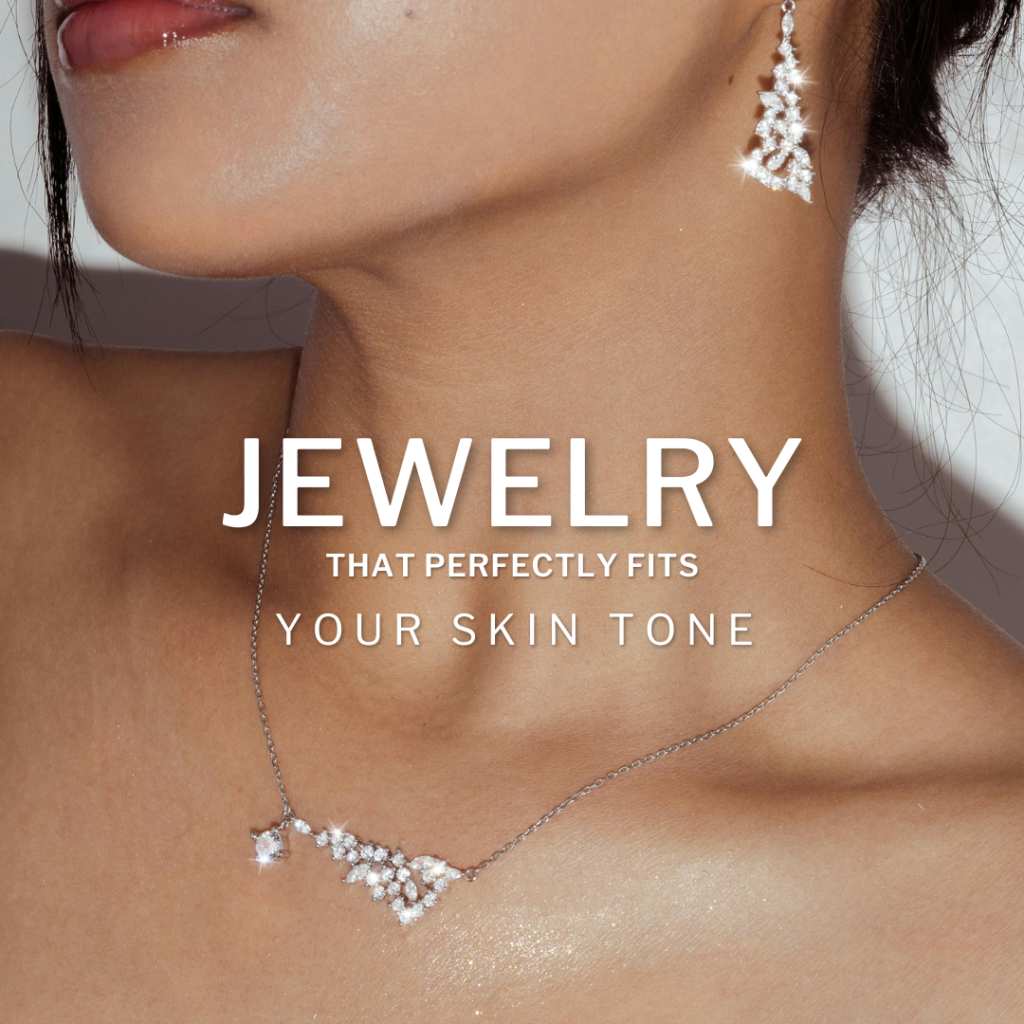
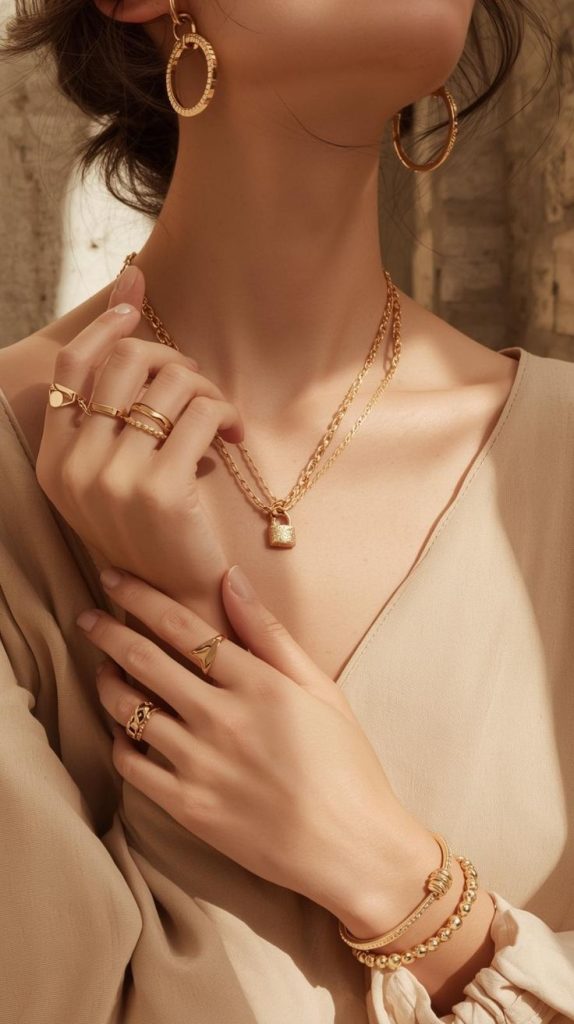
Have you ever tried on a piece of jewelry that instantly made your skin glow, while another looked dull even though it was beautiful? It is because of your skin undertone. Choosing jewelry that complements your natural coloring can make your features stand out, brighten your complexion, and elevate even the simplest outfit.
Most people choose jewelry based on trends, price, or personal preference, but few realize that skin undertones play a major role in how jewelry looks on them. A necklace or ring that complements your undertone can make your complexion appear brighter and more vibrant, while the wrong choice may look less flattering. Fortunately, identifying your undertone is simple, and once you know it, choosing jewelry becomes much easier.
Why undertone matters
Unlike your skin tone, which may become lighter or darker throughout the year, your undertone remains the same. Understanding your undertone helps you choose jewelry that complements your complexion rather than competing with it. The right metals and gemstones can make your skin appear brighter, enhance your natural features, and create a more polished overall look.
How to Determine Your Skin Undertone (3 simple tests)
- VEIN TEST
Stand in natural light and look at the veins on the inside of your wrist.
- Blue or purple veins: cool undertone.
- Greenish veins: warm undertone.
- Hard to tell (both blue and green): neutral undertone.
- JEWELRY TEST
Hold a piece of yellow gold and a piece of silver next to your skin.
- Gold looks warmer and more flattering: warm undertone.
- Silver looks brighter and more flattering: cool undertone.
- Both look good: neutral undertone.
- WHITE PAPER TEST
In natural light, hold a plain white sheet next to your face.
- Skin appears more golden or yellow next to white: warm.
- Skin appears pink or rosy: cool.
- Neither or mixed: neutral.
Metals That Flatter Each Undertone
Warm undertone
Best jewellery colors: yellow gold, rose gold, brass, copper, bronze.
These metals naturally enhance the golden and peachy tones in warm skin, creating a radiant and sun-kissed appearance.
Cool undertone
Best jewellery colors: white gold, platinum, sterling silver, rhodium-plated metals.
Silver-toned metals highlight the natural coolness of the skin and create a crisp, elegant contrast that makes the complexion appear brighter. .
Neutral undertone
Best jewellery colors: most jewellery colors work well on neutral skin tone
Since neutral undertones contain a balance of warm and cool hues, they pair beautifully with both gold and silver jewelry, offering greater styling flexibility.
Gemstone Colors by Undertone
Warm undertone
Ideal gemstone tones are warm and earthy—citrine, topaz, amber, garnet with orange/red lean, coral, peridot, warm-toned pearls, tiger’s eye.
Gemstones with golden, honey, and earthy tones tend to blend beautifully with warm undertones, creating a naturally radiant appearance.
Cool undertone
Ideal gemstone tones are icy and jewel tones—sapphire, emerald, amethyst, aquamarine, blue topaz, cool-toned ruby, white pearls.
Blue, purple, and cool red gemstones create contrast against cool skin tones, making both the jewelry and complexion stand out.
Neutral undertone
Ideal gemstone tones are both warm and cool jewel tones tourmaline, morganite, multi-color stones, classic diamonds, mid-toned gems that neither lean too warm nor too cool.
Neutral undertones offer the most flexibility, allowing you to experiment with both warm and cool gemstone colors depending on your outfit or personal style.
Matching Jewelry to Hair and Eye Color
While undertone should be your primary consideration, your hair and eye color can also influence which jewelry styles look most flattering. Choosing metals and gemstones that complement these features can help create a more balanced and cohesive appearance.
Dark hair
Warm skin: choose bold, warm metals and deep stones (gold + garnet).
Cool skin: pick bright silver metals and vivid cool stones (silver + sapphire).
Light/blonde hair
Warm skin: delicate rose gold and peachy stones (morganite).
Cool skin: white gold and icy gems (diamonds, aquamarine).
Brown eyes
Brown eyes naturally contain warm golden flecks that can be enhanced with contrasting gemstone colors. Sapphire, turquoise, emerald, and teal-toned stones create a striking effect and make brown eyes appear richer and more vibrant.
Blue/green eyes
Use complementary tones—amber, rose gold, or warm coppers for contrast; blue-toned stones to intensify eye color.
How to Mix Gold and Silver Jewelry Like a Stylist
Mixing metals was once considered a fashion mistake, but today it’s one of the easiest ways to create a modern and personalized look. The key is to make the combination appear intentional rather than random. Start with one dominant metal and use the second metal as an accent throughout your jewelry stack.
Anchor your look: choose one dominant jewelry (based on your undertone) and use the other metal as an accent.
Use repeating accents: echo a small motif or gemstone color across pieces to tie metals together.
Layering approach: alternate metals by length (e.g., short gold choker, longer silver pendant) to create intentional contrast.
Neutral undertones can layer freely, but balance warm and cool elements.
Quick Styling Combinations
Warm undertone, casual: olive-toned top, rose-gold hoop earrings, citrine studs.
Cool undertone, office: white blouse, silver huggie earrings, sapphire stud.
Neutral undertone, evening: black dress, mixed-metal layered necklaces, multi-stone cocktail ring.
Common Jewelry Mistakes to Avoid
Even the most beautiful piece of jewelry can look out of place if it doesn’t complement your features or personal style. Here are some common mistakes people make when choosing jewelry and how to avoid them.
Ignoring Your Skin Undertone
Many people buy jewelry simply because it’s trendy or because it looks good on someone else. However, a piece that suits another person may not flatter your complexion. Understanding your undertone helps you choose metals and gemstones that naturally enhance your appearance.
Wearing Too Many Statement Pieces at Once
Bold jewelry can elevate an outfit, but wearing several statement pieces together often creates a cluttered look. If you’re wearing eye-catching earrings, consider pairing them with a simpler necklace or bracelet to maintain balance.
Mixing Jewelry Without a Plan
Gold and silver can look stylish together when done intentionally. The mistake is combining different metals randomly. Choose one metal as the dominant element and use the other as an accent to create a cohesive look.
Overlooking Comfort and Lifestyle
A stunning piece isn’t practical if it’s uncomfortable to wear. Consider your daily activities and lifestyle when choosing jewelry. Delicate pieces may not be ideal for active routines, while lightweight designs are often better for everyday wear.
Not Taking Care Of Your Jewelry properly
Even high-quality jewelry can lose its shine if not cared for properly. Exposure to water, perfumes, lotions, and humidity can cause tarnishing or damage over time. Regular cleaning and proper storage help maintain its beauty and longevity.
Choosing Size Over Proportion
Bigger isn’t always better. Jewelry should complement your face shape, body frame, and outfit. Pieces that are too large or too small can throw off the balance of your overall look.
Following Trends Blindly
Fashion trends come and go, but jewelry that complements your skin tone and personal style remains timeless. Instead of buying every trending piece, focus on styles that make you feel confident and suit your natural features.
Conclusion
Choosing the right jewelry isn’t just about following trends—it’s about finding pieces that complement your natural features and make you feel confident. Understanding your skin undertone can take the guesswork out of shopping and help you select metals and gemstones that enhance your complexion rather than compete with it. Whether you look best in the warm glow of gold, the elegance of silver, or a mix of both, the right jewelry can instantly elevate your overall appearance.
While skin undertone is an important factor, it shouldn’t limit your personal style. Your hair color, eye color, outfit choices, and individual preferences all play a role in creating a look that feels uniquely yours. Use the guidelines in this guide as a starting point, but don’t be afraid to experiment with different metals, gemstones, and combinations to discover what makes you feel your best.
At the end of the day, the perfect piece of jewelry is one that not only suits your skin tone but also reflects your personality. By understanding what works best for your coloring and learning how to style jewelry with confidence, you can build a collection of timeless pieces that you’ll enjoy wearing for years to come.