
Artificial jewelry is a total vibe. It’s trendy, affordable, and lets you switch up your look without spending a lot of money. But if you’ve ever had that shiny gold bracelet turn green or your silver hoops go dull after a week, you know the struggle of tarnish and That breakdown we go through when our favourite jewellery or the jewellery we received as a gift from someone special turn dull and getting tarnished and we can never wear it again.
Tarnish happens when metals react with air, moisture, sweat, perfume, or household chemicals. Artificial jewelry especially pieces made from brass, copper, or gold/silver plating is more prone to it. But don’t worry. With the right habits, you can keep your artificial jewelry looking fresh for weeks (or even months).
Here are 15 easy care tips to prevent your artificial jewelry from tarnishing along with quick cleaning hacks and storage tricks to make your pieces last longer.
What Is Tarnish And Why Does It Happen?
Tarnish is that dull, dark, or discolored layer that builds up on metal over time. It’s basically oxidation — when metal atoms react with oxygen or sulfur in the air.
Common causes:
- Moisture and humidity
- Sweat and body oils
- Perfumes, lotions, hairsprays
- Chlorine in pools and saltwater
- Cleaning products and chemicals
- Poor storage (pieces rubbing together or trapped in damp drawers)
Artificial jewelry is often plated, meaning a thin layer of gold or silver sits on top of a base metal like brass or copper. Once that plating wears off, the base metal reacts faster and it get tarnished.
13 Easy Care Tips to Prevent Tarnish
1. Clean It After Every Wear
Wipe your jewelry with a soft, dry cloth after you take it off. This removes sweat, oils, and residue that speed up tarnishing. If you do not have cloth A clean microfiber towel works too.
2. Use Mild Soap for Deep Cleaning
For a deeper clean, mix a few drops of mild dish soap with warm water. Soak the piece for 2–3 minutes, gently scrub with a soft toothbrush, rinse, and dry completely. Never soak plated jewelry for long it can weaken the plating.
3. Dry It Thoroughly
Water left on jewelry can cause tarnish. After cleaning, pat dry with a soft cloth and let it air-dry completely before storing.
4. Store Pieces Separately
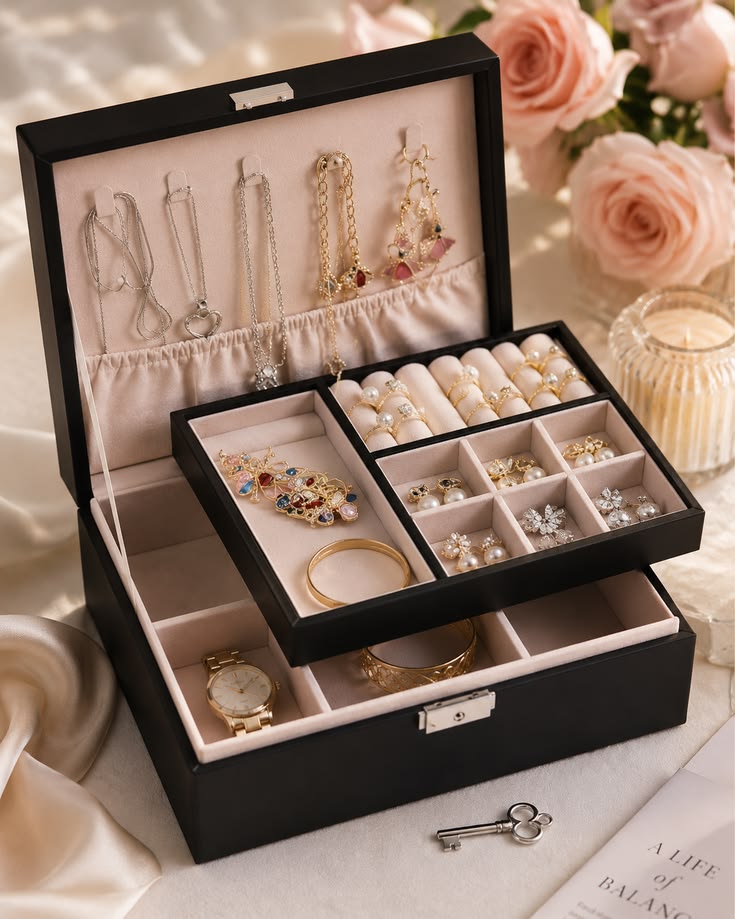
Keep each piece in its own pouch, ziplock, or compartment. This prevents scratches and friction that wear down plating. A soft-lined jewelry box or travel roll with individual slots is perfect.
5. Use Anti-Tarnish Bags or Cloths
Store silver toned or plated pieces in anti-tarnish bags or wrap them in anti tarnish cloth. These contain chemicals that slow oxidation and are super affordable.
6. Add Silica Gel to Your Jewelry Box
Silica gel packets (those little “do not eat” packets in shoe boxes) absorb moisture. Toss a few in your jewelry drawer to keep humidity low. It reduces the chances of tarnishing.
7. Remove Jewelry Before Showering, Swimming, or Working Out
Water, chlorine, salt, and sweat speeds up tarnishing. Take off your jewelry before these activities and store it dry. As moisture can lead to tarnishing of the jewelry.
8. Apply Perfume, Lotion, and Hairspray First
Chemicals in cosmetics react with metal. Put on your jewelry after you’ve applied perfume, lotion, or hairspray not before. never spray your perfume or hairspray on jewelry
9. Rotate Your Pieces
Wearing the same pair every day exposes them to more sweat and oils. Rotate your jewelry to give pieces time to “breathe” and reduce buildup.
10. Choose Higher-Quality Plating
If you shop often, look for “gold-plated” vs. “gold-toned” or “gold-finished.” Thicker plating lasts longer. Stainless steel, stainless gold-tone, or vermeil pieces also resist tarnish better. Or choose anti tarnish jewelry.
11. Re-Plate When Plating Wears Off
Once the gold or silver layer fades, the base metal shows. A jeweler can replate pieces to restore shine great for sentimental or frequently worn items.
12. Avoid Harsh Cleaners
Never use bleach, ammonia, or scrubs for cleaning. They strip plating instantly. Stick to mild soap, water, and soft cloths.
13. Quick DIY Hacks for Silver and Gold Tone
Silver tone: Make a paste of baking soda + water. Gently rub, rinse, dry.
Gold tone: Wipe with a lemon slice or vinegar, then rinse and dry thoroughly.
Test on a small area first because some plating is delicate.
How to Clean Different Types of Artificial Jewelry
| TYPES | CLEANING METHOD | EXTRA TIP |
| Silver-plated | Polishing cloth or baking soda paste | Store in anti-tarnish bag |
| Brass/Copper | Lemon or vinegar wipe; rinse + dry thoroughly | Apply thin wax layer for protection |
| Stainless steel | Soap + water; microfiber cloth | Very low maintenance |
| Gold-plated | Mild soap + soft cloth; avoid heavy polishing | Re-plate when plating fades |
| Costume jewelry | Damp cloth only; no soaking | Avoid ultrasonic cleaners |
Common Mistakes That Make Artificial Jewelry Tarnish Faster
Even when people clean their jewelry regularly, certain habits can cause artificial jewelry to tarnish much sooner than expected. Avoiding these common mistakes can help your favorite pieces stay shiny and wearable for much longer.
Wearing Jewelry Every Day Without Cleaning It
Many people wear the same earrings, rings, or chains daily and forget that jewelry collects sweat, body oils, dust, and product residue throughout the day. Over time, this buildup can damage the protective coating and make the metal underneath react more quickly. Taking a few seconds to wipe your jewelry with a soft cloth before storing it can make a noticeable difference.
Storing Jewelry in the Bathroom
The bathroom may seem like a convenient place to keep jewelry, but it is one of the worst locations for storage. Frequent hot showers create humidity, which speeds up oxidation and tarnishing. Even if your jewelry is kept inside a drawer, moisture can still affect it over time. A cool, dry place such as a bedroom drawer or jewelry box is a much better option.
Keeping Multiple Pieces Together
Throwing all your jewelry into one box can lead to scratches, tangled chains, and faster wear on plated surfaces. When pieces constantly rub against each other, the protective coating can wear away more quickly. Using separate compartments, pouches, or small ziplock bags helps protect each item and keeps it looking newer for longer.
Forgetting to Remove Jewelry Before Sleeping
Sleeping with jewelry on may seem harmless, but constant friction against pillows and blankets can gradually wear down plating. Necklaces can become tangled, rings can get scratched, and delicate pieces may even bend or break. Removing jewelry before bed is a simple habit that helps extend its lifespan.
Exposing Jewelry to Household Chemicals
Many common household products contain chemicals that can damage artificial jewelry. Cleaning sprays, detergents, bleach, and even hand sanitizers may cause discoloration or dullness. It is always best to remove jewelry before cleaning your home, washing dishes, or using strong chemical products.
Ignoring Early Signs of Tarnish
A small dark spot or slight loss of shine may not seem like a big deal, but addressing tarnish early can prevent permanent damage. Gently cleaning the piece as soon as you notice discoloration is often much easier than trying to restore heavily tarnished jewelry later.
FAQ’S
How long does artificial jewelry last?
The lifespan of artificial jewelry depends on its quality and how well it is cared for. High-quality plated jewelry can last for years when stored properly and protected from moisture and chemicals.
Can tarnished artificial jewelry be restored?
In many cases, yes. Light tarnish can often be removed with gentle cleaning methods and polishing cloths. However, if the plating has completely worn away, professional replating may be required.
Is anti-tarnish jewelry completely tarnish-proof?
No jewelry is completely immune to tarnishing. However, anti-tarnish coatings and better-quality materials can significantly slow down the process and help jewelry maintain its shine for longer.
What is the best way to store artificial jewelry?
The best method is to keep each piece in a separate pouch or airtight bag and store it in a cool, dry place away from direct sunlight and humidity.
Can perfume damage artificial jewelry?
Yes. Perfumes, lotions, and hairsprays contain chemicals that can react with metal surfaces and cause discoloration. Always apply these products before putting on your jewelry.
Final Thoughts
Artificial jewelry is a great way to stay stylish without spending a fortune, but keeping it looking new requires a little extra care. The good news is that preventing tarnish isn’t difficult. Simple habits like storing your jewelry properly, keeping it away from water and chemicals, and cleaning it regularly can make a huge difference in its lifespan.
By following these tips, you can protect your favorite pieces from losing their shine and enjoy wearing them for much longer. A few minutes of care today can save you from dull, discolored jewelry tomorrow. Treat your artificial jewelry well, and it will continue to add sparkle to your outfits for years to come.